SICILY: Cultural crossroads of the Mediterranean
1 day | £99 per person | 16 October 2026
Cultural crossroads of the Mediterranean
Sicily is the largest island in the Mediterranean Sea. It has a long and diverse coastline with several natural harbours and a mountainous hinterland dominated by Mount Etna, with its fertile volcanic soils. The island has always been a meeting ground of peoples and civilisations as its natural assets and strategic position at the heart of the Mediterranean attracted successive waves of invaders, adventurers and colonists who shaped its culture and identity. In this lecture day we look at some of the peoples who contributed to Sicily’s multicultural history and whose legacy is still visible in the island’s rural and urban landscape. Greek colonists began settling in Sicily in the 8C BC and in time several of the Greek cities became wealthy metropolises with opulent courts which sponsored artists and scholars, including the great mathematician Archimedes. Bronze and marble sculpture, ceramic and metal vessels, attest the skill of their creators. Today there are more well-preserved Greek temples in Sicily than in mainland Greece. Western Sicily was controlled by the Phoenicians, or Punics as they were known in the west, under the aegis of Carthage, until Rome destroyed the Carthaginian fleet in 241BC. Under the Roman empire Sicily saw the development of large agricultural estates with luxurious country mansions attached. The Villa del Casale spread over 1.5ha, with rooms, courts, galleries, baths and corridors covered with c.3500sq.m of mosaic, one of the largest areas of floor mosaic anywhere. Mythological, hunting and sports scenes reflect the interests and activities of the wealthy hedonistic landowner. During the Byzantine period Sicily was ruled from Constantinople, temples were converted into churches and catacombs proliferated. The next invaders were Arabs, expert hydrologists who introduced lemons and oranges, sugar cane and sugar mills, silkworms and mulberry trees into Sicily and transformed the landscape. They made Palermo their capital. Muslim rule lasted over 200 years until towards the end of the 11C, when adventurers from northern France in search of new opportunities took the island from the Arabs. The Norman conquest ushered in a period of enlightenment which, though short, was one of the most brilliant in Sicilian history. The hallmark of Norman achievement was the ability to absorb and mix different traditions, Arabic, North European and Byzantine. Palermo remained the capital and many of the craftsmen were Arabs, while court ceremonial and protocol were taken from Byzantium. The royal palace and Palatine Chapel in Palermo and the enormous Benedictine abbey and stately cathedral of Monreale are splendid examples of Norman-Saracenic art. The polychrome marble panelling, Byzantine style mosaics and carved and painted wooden ceilings are quite simply magnificent.
Lecture 1: Persephone’s Isle: Sicily and the Greeks
Lecture 2: War and Peace: Carthaginians and Romans
Lecture 3: Arab legacy and Norman Conquest
This Lecture is held at the Art Workers' Guild in Queen Square London.
TIMETABLE FOR THE DAY
10.30-11.00 Welcome refreshments
11:00-12:00 – Lecture 1
12:00- 12.45 - Lunch
12:45-13:45 – Lecture 2
13:45-14:15 - Refreshments
14:15-15:15 Lecture 3
Price: £99
Date:
16 October 2026
Your day includes:
- Three lectures
- Refreshments
- Light lunch
Expert Lecturer
Sue Rollin
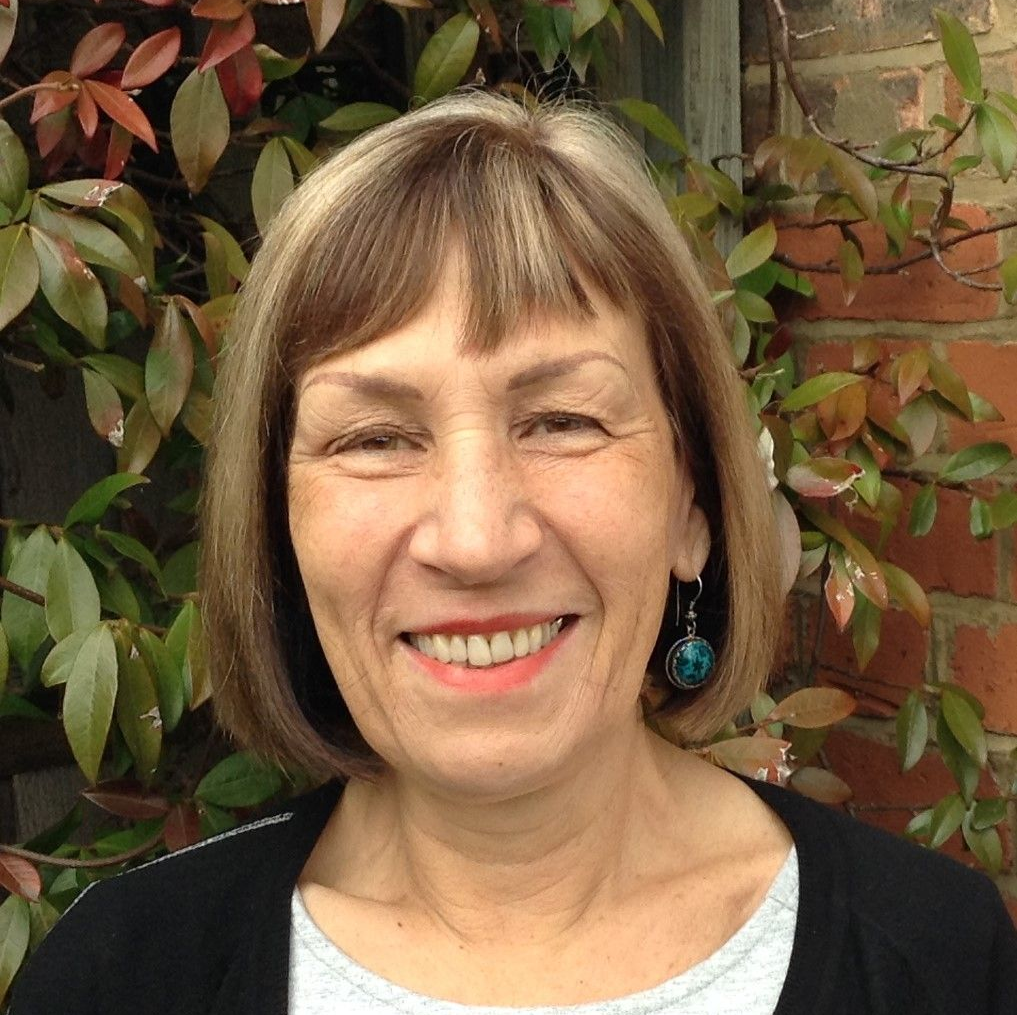
Sue Rollin specialises in the ancient and Islamic Middle East, India and the Mediterranean. An archaeologist, historian and linguist by training, Sue lectures for the Arts society and the V&A and has led Study Tours in Spain, Sicily, Morocco, the Middle East, Central Asia and India. Sue speaks Spanish, Italian, French and German. She is co-author of two travel guides: the Blue Guide to Jordan and Istanbul: A Traveller’s Guide.