The Cultural crossroads of Aquileia
1 day | £99 per person | 4 November 2026 | New date...
The Cultural crossroads of Aquileia
After more than six hundred years of protecting Rome’s northern frontier against barbarian incursions, the city of Aquileia was besieged, conquered and razed to the ground by Attila the Hun in 452. At the time of its destruction, Aquileia was one of the largest and most important cities in the Roman world, and its imperial splendour reveals itself in the exquisite fourth-century mosaic floor that survives under its eleventh-century basilica. The ruins of its once thriving harbour and the fragmentary treasures in its archaeological museum, one of Italy’s largest, also bear witness to the city’s size and significance. During what used to be called the Dark Ages, a rebuilt Aquileia fell under the artistic and political influence of the Lombards, whose first Italian capital was at nearby Cividale. A protracted religious rivalry ensued between Lombard Aquileia and its former port of Grado, now dominated by Byzantium, which saw both towns construct some of the finest early mediaeval buildings in northern Italy. These local conflicts were settled definitively however by the hegemonic rise of Venice, and the footprint of the Most Serene Republic is clearly visible in the later architecture of the region.
This Lecture is held at the Art Workers' Guild in Queen Square London.
TIMETABLE FOR THE DAY
10.30-11.00 Welcome refreshments
11:00-12:00 – Lecture 1
12:00- 12.45 - Lunch
12:45-13:45 – Lecture 2
13:45-14:15 - Refreshments
14:15-15:15 Lecture 3
Price: £99
Date:
4 November 2026
Your day includes:
- Three lectures
- Refreshments
- Light lunch
Expert Lecturer
Clare Ford-Wille
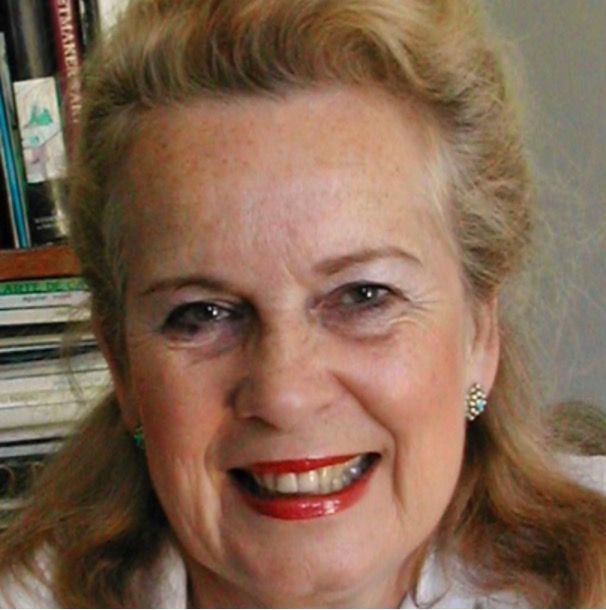
Clare Ford-Wille is an independent art historian. She has led study tours to Europe and the USA. Clare has lectured on European art, architecture and sculpture for more than thirty years, primarily for the University of London, the National Gallery, the V&A, Morley College and the Arts Society. She has also contributed to several academic guides.