ROMANESQUE RHINELAND Cathedrals of Speyer, Worms and Mainz | Selling fast...
6 days | £2950 per person with flights | 1 - 6 March 2027
Cathedrals of Speyer, Worms and Mainz
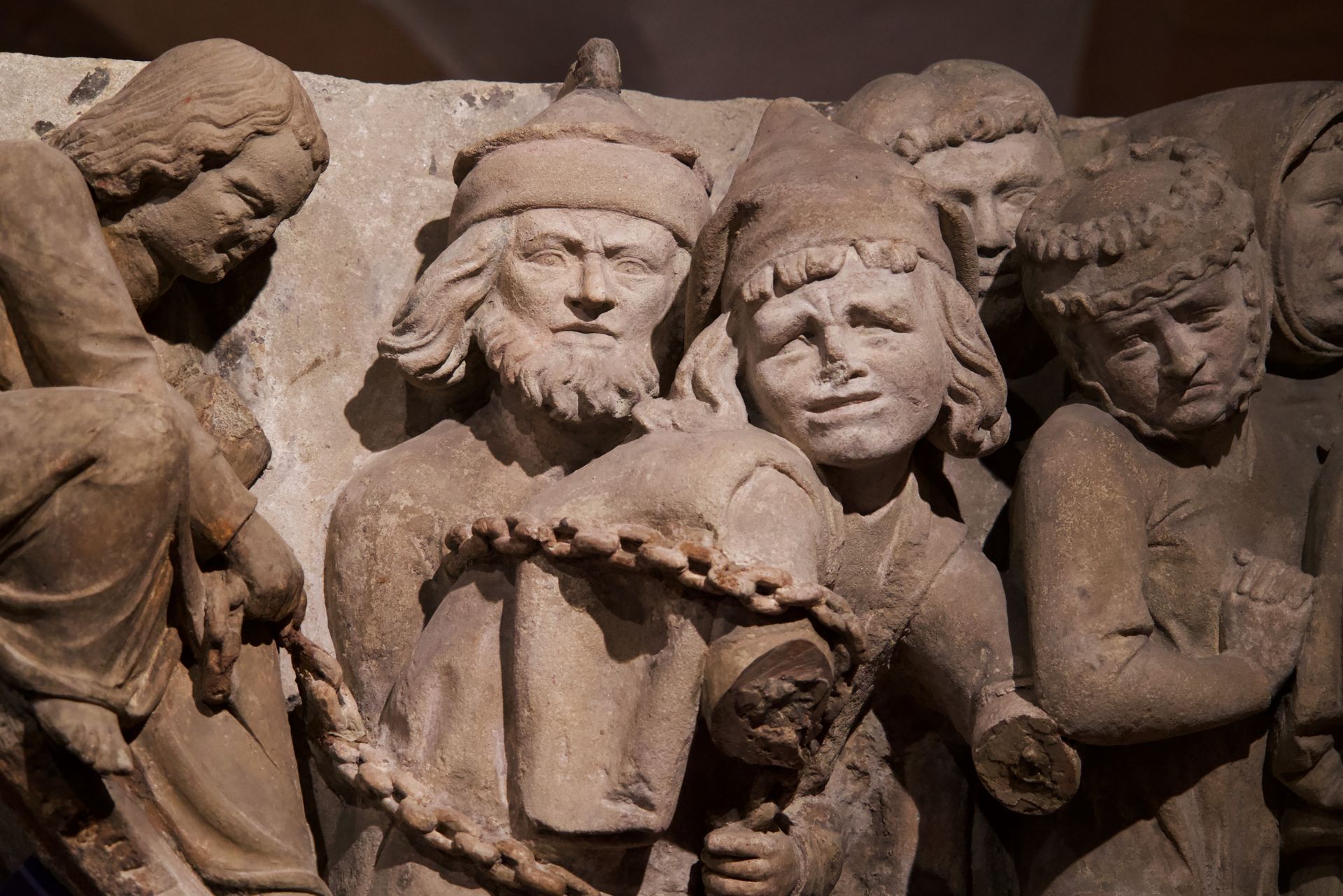
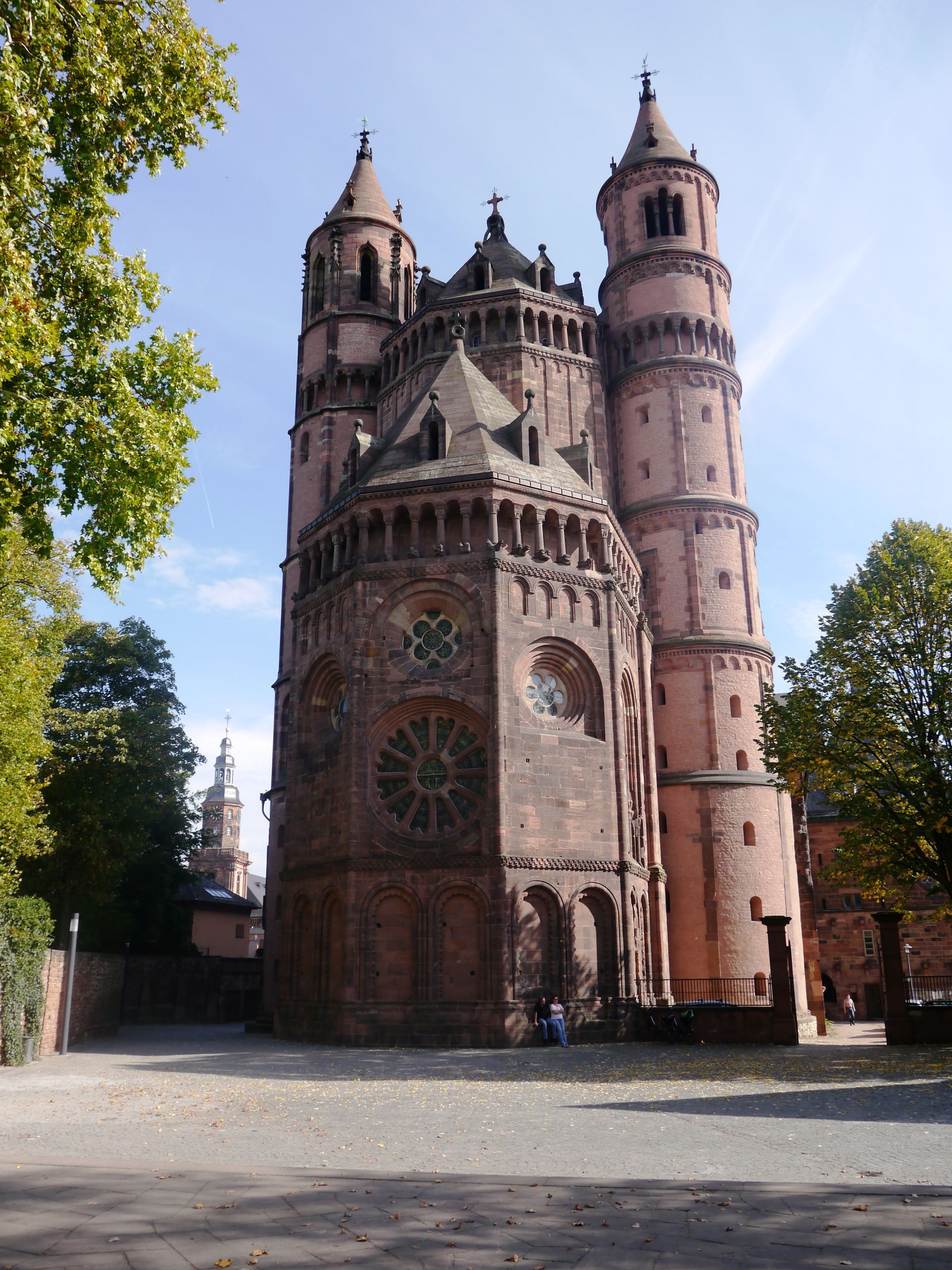
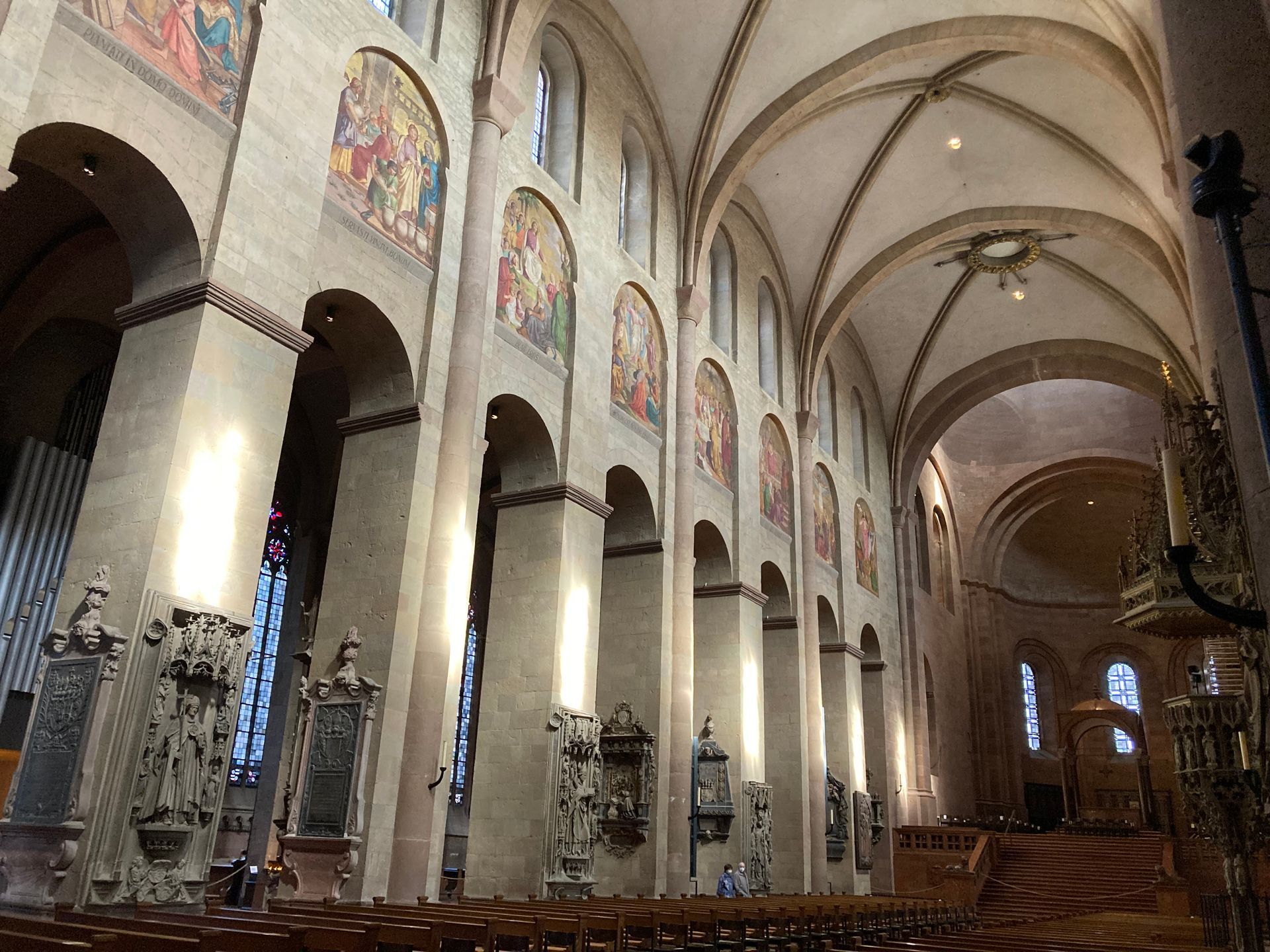
In 1220 Frederick II of Hohenstaufen, the stupor mundi, was crowned emperor of the Holy Roman Empire. This date is the starting point for a special exhibition shown in Mainz dedicated to the “Emperors and their pillars of power – From Charlemagne to Frederick Barbarossa”. The exhibition highlights the Middle Rhine region as the setting for pivotal historical events visualised by seminal works of art dating from the 10th to the 13th century. This is a one-off opportunity to explore Romanesque art and architecture of the Rhineland in a wider context. According to a 12th-century chronicler, „the greatest power of the Empire” lies in the Rhine region, heartland of the empire since Carolingian days to which the impressive remains of the Carolingian abbey of Lorsch testify. With the rise of the Salian dynasty in 1027, three stunning cathedrals – Speyer, Worms, and Mainz – were erected along the Rhine to manifest imperial majesty and power. Mighty Speyer cathedral – built on an unprecedented scale – took the lead by becoming the new royal burial place. All three cathedrals, however, display the characteristics of Middle Rhenish Romanesque architecture: stone-vaulted basilicas with impressive silhouettes rich in spires, cylindrical turrets, and arcaded galleries. Architectural sculpture – fabulous beasts and demons, harrowing scenes of the Last Judgement as well as delicate foliage decoration – reaches a hitherto unknown dimension during the rule of the Hohenstaufen emperors in the 12th-century. The picture is supplemented by the cathedral of Limburg an der Lahn and the church of Our Lady in Gelnhausen which are fine examples of early 13th-century Hohenstaufen architectural achievements.
Day to day Itinerary
Day 1
Fly from London to Frankfurt. Coach transfer to your hotel in Mainz and some time to settle in to your rooms. In the late afternoon an introductory walk will acquaint us with the history of “Golden Mainz”, site of imperial elections, coronations, meetings and outstanding artistic achievements.
Day 2
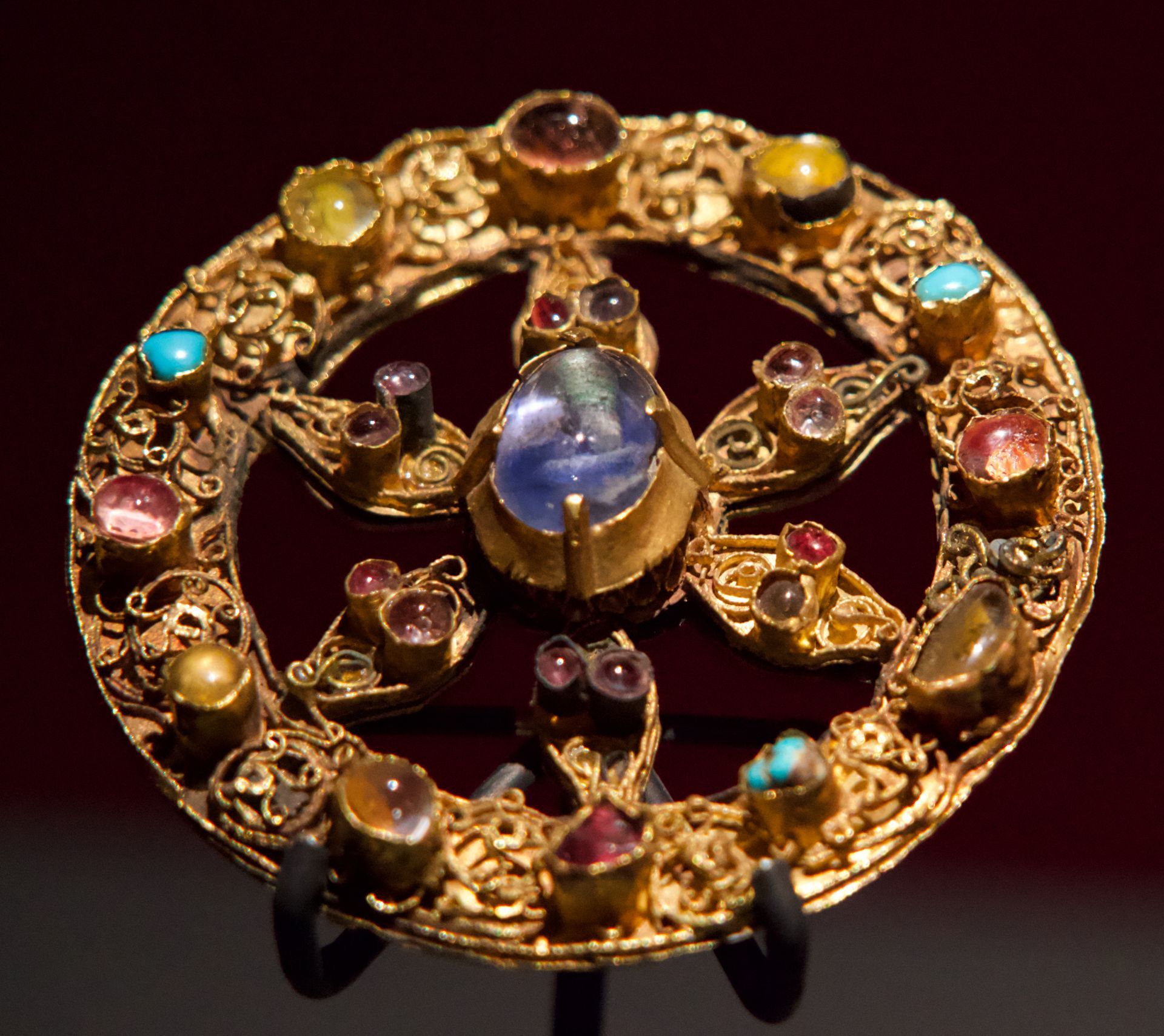
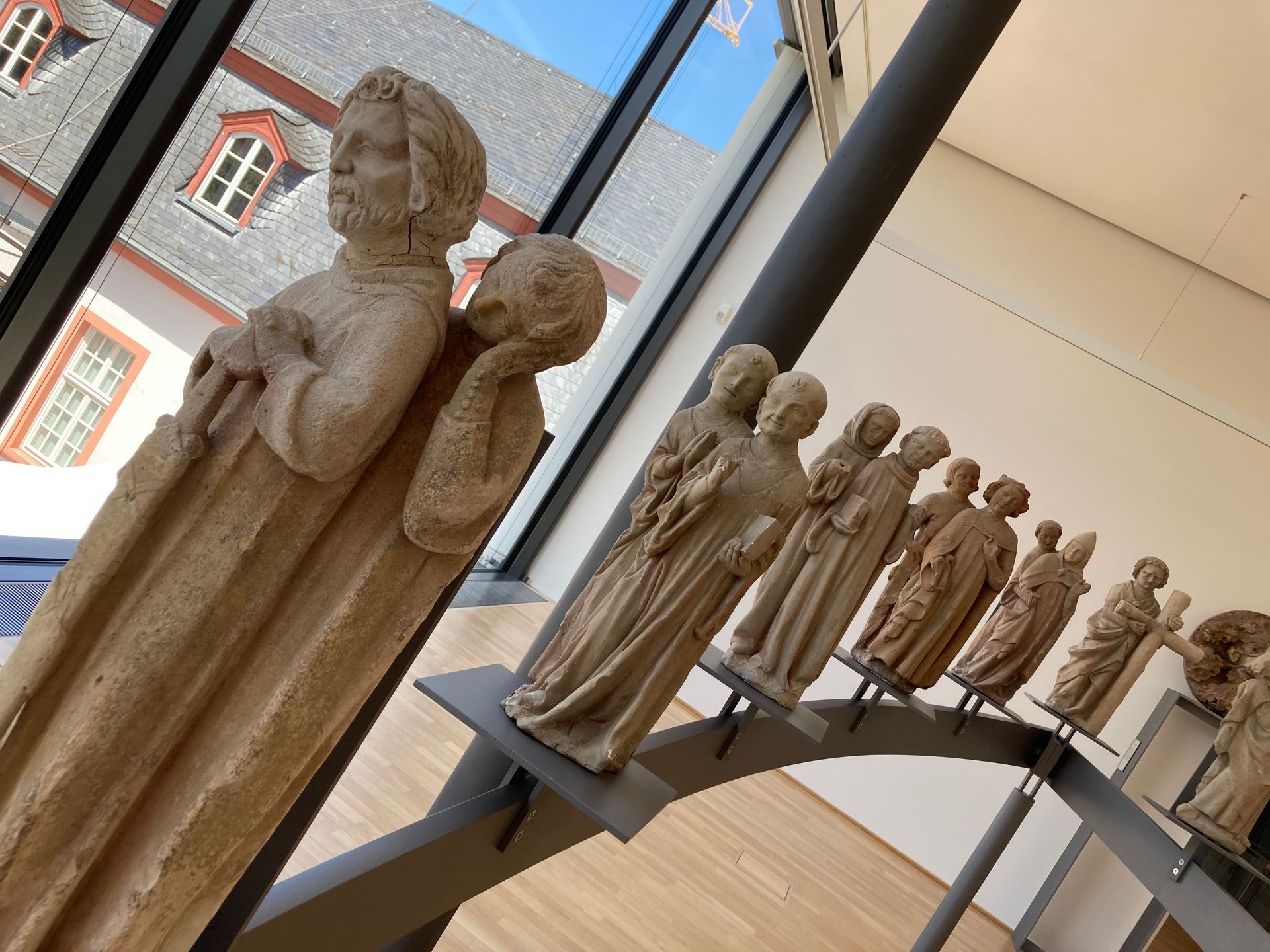
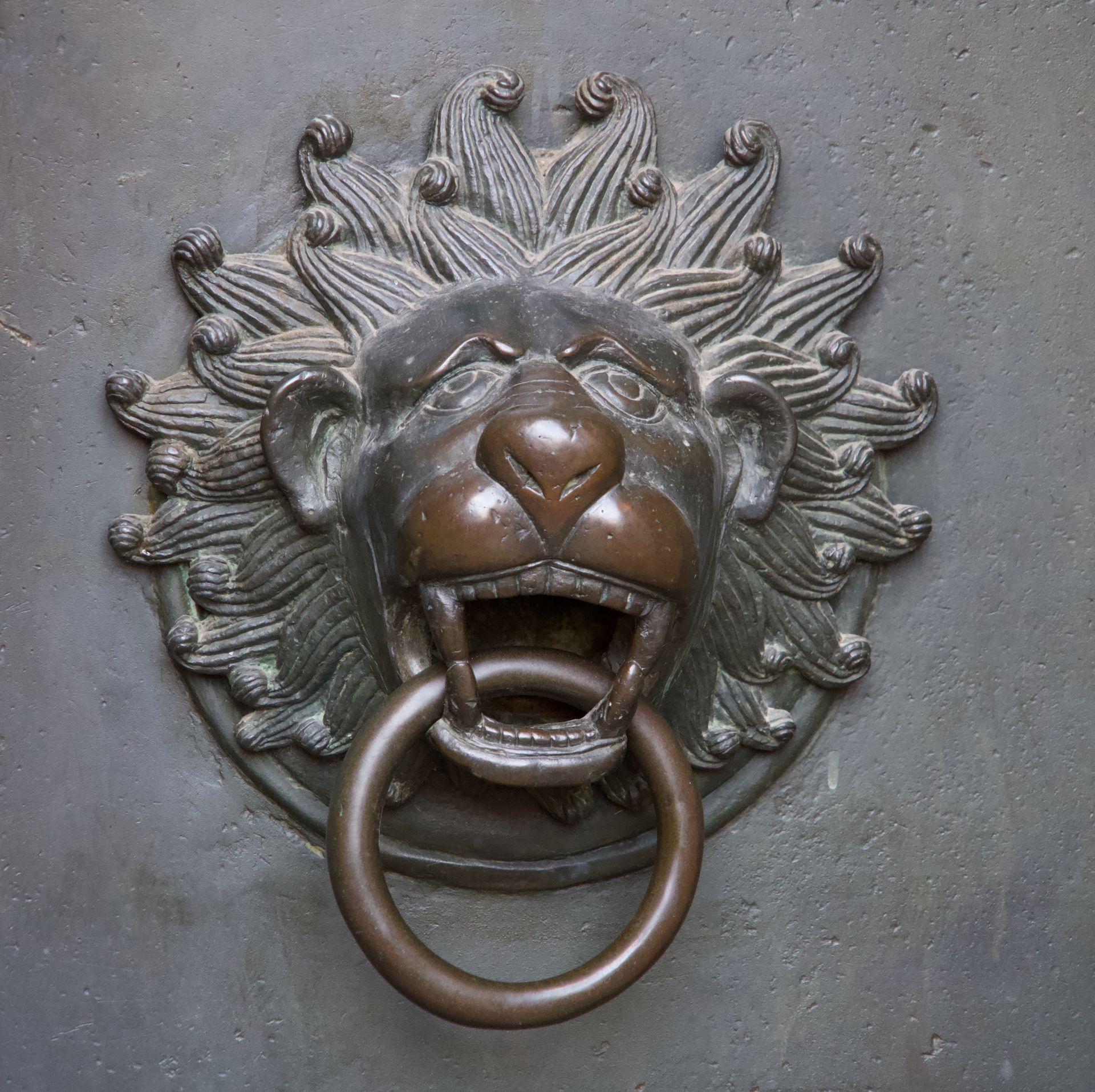
A day on foot in Mainz, starting with an extended visit to the cathedral and its richly endowed treasury. From the early Middle Ages, the archbishop of Mainz became second in command after the emperor, as imperial chancellor and one of the seven prince-electors. The cathedral, begun after 975 and added to until the 13th century, is richly furnished with episcopal tombs and rare 10th-century bronze doors. The treasury houses sculpture by the so-called Naumburger Meister, named after his famous works in Naumburg cathedral in present-day Saxony Anhalt. In the afternoon we will visit the Landesmuseum Mainz where the exhibition “AVREA MAGONTIA – Mainz in the Middle Ages” showcases some fabulous mediaeval art objects.
Day 3
Coach excursion to Speyer. Of Roman origin, Speyer became an Episcopal see early in the Middle Ages. In its major parts the imposing cathedral survives as erected by the Salian emperors. The crypt, consecrated in 1041, houses the tombs of German emperors and kings from the 11th to the 13th centuries. Funerary and liturgical objects from the cathedral are on display in the treasury. Together with Mainz and Worms, the city accommodated one of the earliest Jewish communities in the Holy Roman Empire and we will explore the remains of the synagogue and mikveh, amongst the oldest surviving in central Europe.
Day 4
Full day coach excursion to Lorsch and Worms. Our morning visit takes us to one of Germany’s mediaeval architectural highlights: the gatehouse of the former abbey of Lorsch – small but perfectly formed – an outstanding and exceptionally well-preserved example of Carolingian architecture. Worms is a city steeped in history: key moments of the Nibelungen saga are set there; in 1122, the Concordat of Worms ended the investiture controversy between pope and emperor; and in 1521, Luther was summoned to the Diet of Worms to recant his writings. Our walk around the city will focus on the 12th-century cathedral, whose foundations go back to 1018.
Day 5
The coach takes us north to the charming hillside town of Limburg an der Lahn. For centuries travellers approaching Limburg were impressed by the stunning setting of its Late-Romanesque to Early-Gothic cathedral perched atop a hill above the Lahn river. Rich in steeples and its architectural features colourfully accentuated it appears like a sumptuous reliquary shrine. The cathedral treasury houses an outstanding 10th-century Byzantine cross reliquary. New exhibition space includes parts of modern Episcopal buildings which, despite controversy they sparked, house an exquisite example of modern church architecture with fine stained-glass windows by Johannes Schreiter.
Day 6
On our way to Frankfurt we visit Gelnhausen, a centre of Hohenstaufen art and architecture. Remains of Emperor Friedrich Barbarossa’s imperial palace, built to control the Via Regia from the Rhineland to the east of the empire, are still extant. At the same time, the church of Our Lady was begun c. 1170. It boasts an early 13th-century rood screen, a rare survivor in Germany with sculptural decoration by the workshop of the Naumburger Meister. After lunch we continue to Frankfurt airport for our return flight to London.
Hyatt Regency Mainz
The Hyatt Regency Mainz is located in a unique position on the banks of the Rhine in central Mainz. The hotel incorporates the historic Fort Malakoff, a 19th-century building, into its modern architecture. It is within walking distance of Mainz Old Town and the city centre. Rooms all offer modern design and amenities.
With Flights: £2950
Join Direct: £2800
Single Supp: £340
Deposit: £450
Departure Dates:
1 - 6 March 2027
Duration:
5 nights / 6 days
Your Holiday Includes:
- Return flights (Economy class) from London to Frankfurt
- Five nights’ bed and breakfast at the Hyatt Regency Mainz
- Private coach transfers and excursions
- Three evening meals
- Guided visits to the sites and monuments listed in the programme
- Services of the Tour Lecturer and a Tour Manager
- Detailed programme and study notes
- All entrance fees, taxes, and gratuities for coach drivers and serving staff
Tour Lecturers

Dr Ulrike Ziegler
Specialising in mediaeval art and the cultural politics of post-war Germany at the universities of Regensburg and Aberdeen, Dr Ulrike Ziegler is a well-respected member of Art Pursuits and has lectured at universities and for multiple cultural institutions, along with organising and leading many study tours in both Germany and Austria. Ulrike is now working on Art Pursuits' German programme.
Travel Information
The price does not include extras at the hotels or travel insurance.
Please note that Art Pursuits use hotels of character featuring a variety of rooms & styles.
Stamina
Please note that most of our tours involve a large amount of walking, across uneven ground and often without the opportunity to sit down for at least half an hour. We ask that clients inform us if they have difficulties before booking to avoid any issues whilst on tour.